

How to Reduce Electricity Bill in Pakistan
As electricity tariffs in Pakistan continue to change in 2026, managing monthly expenses has become essential for households. The Government of Pakistan, through the Ministry of Energy (Power Division), NEPRA, and other departments, has introduced multiple reforms and relief measures to help consumers reduce their electricity burden.
By combining government subsidies with smart energy-saving habits, you can significantly lower your monthly electricity bill.
1. Government Subsidies and Relief Programs
1.1 Targeted Subsidy Through BISP (2026 Update)
In 2026, electricity subsidies are no longer general. The government now focuses on targeted support for low-income households.
Key Points:
- Only consumers using under 200 units per month are eligible for relief.
- Subsidy is linked with a verified profile in the BISP.
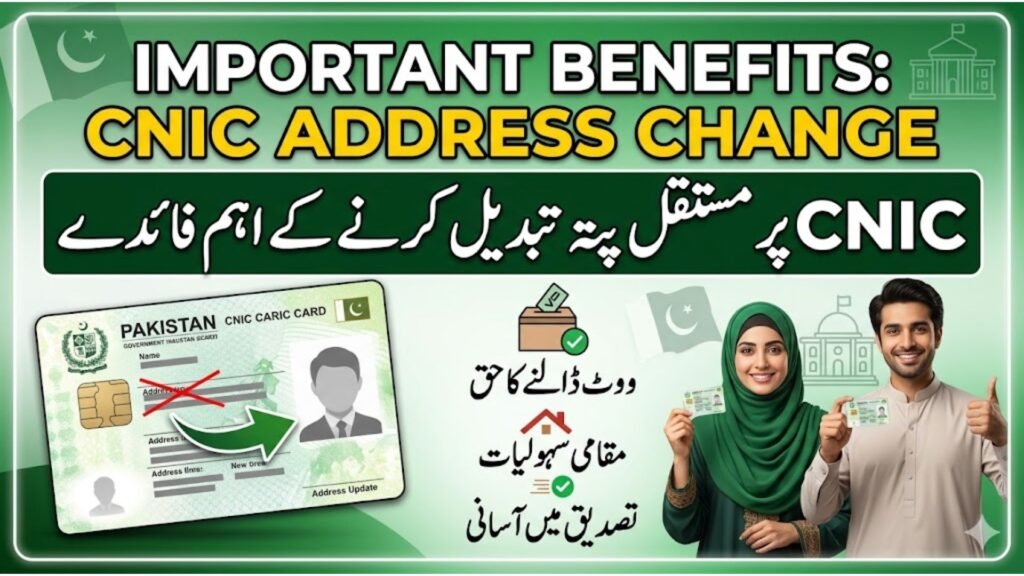
- Electricity connection must be registered under a valid CNIC.
Action Steps:
- Visit your nearest BISP registration center for biometric verification.
- Ensure your electricity bill reference number is correctly linked with your BISP profile.
- Check eligibility through official government portals.
2. Solar Energy Policy Changes (Net Billing System)
2.1 Shift from Net Metering to Net Billing
Under the updated NEPRA Prosumer Regulation 2026, the earlier net metering system has been replaced.
What Changed:
- Old system: 1 unit = 1 unit credit
- New system: Excess electricity is sold at a fixed rate (approx. Rs. 10–11 per unit)
2.2 Best Strategy for Homeowners
To maximize savings:
- Install Hybrid Solar Systems
- Use battery storage for peak-hour consumption
- Sell extra electricity to the grid during daytime
3. Energy-Efficient Appliances (NEECA Standards)
3.1 Importance of Energy Labels
The NEECA has introduced mandatory energy labeling for appliances in Pakistan.
BISP Registration: https://bisp.gov.pk/
Benefits:
- Reduced electricity consumption by 40–60%
- Better performance with lower power usage
- Certified appliances ensure long-term savings
3.2 Recommended Upgrades:
- Inverter air conditioners
- Energy-saving fans
- 5-star rated refrigerators
- LED lighting systems
4. Smart Electricity Usage Tips
4.1 Avoid Peak Hours
Peak hours (usually 6:00 PM to 10:00 PM) have higher electricity rates.
Avoid Using:
- Electric irons
- Water pumps
- Washing machines
- Heavy kitchen appliances
4.2 Switch to Energy-Saving Habits
- Use LED bulbs (up to 80% less consumption)
- Unplug devices when not in use
- Use daylight whenever possible
- Maintain appliances regularly for efficiency

4.3 Monitor Your Consumption
Use official DISCO apps like:
- LESCO
- IESCO
- K-Electric
These apps help track:
- Daily unit usage
- Estimated bill
- Peak-hour consumption
5. Estimated Monthly Savings (2026)
| Strategy | Target Users | Potential Savings |
|---|---|---|
| Solar Net Billing | Homeowners with solar systems | 70% – 90% |
| BISP Subsidy | Low-income households (<200 units) | 40% – 50% |
| Inverter Appliances | General households | 25% – 35% |
Frequently Asked Questions (FAQs)
Q1: How can I apply for solar schemes in 2026?
Eligible citizens can apply through official government energy portals. Regional programs are also available in provinces and special regions.
Q2: What is the benefit of NEECA-certified appliances?
These appliances are tested for efficiency, meaning they provide better performance while using less electricity.
Q3: Can tenants receive electricity subsidies?
Yes, but the electricity meter must be linked to the tenant’s CNIC through the DISCO customer update system.
Final Thoughts
Reducing electricity bills in Pakistan in 2026 requires a combination of government support, smart technology adoption, and responsible energy use. By following subsidy programs, upgrading appliances, and managing usage patterns, households can achieve significant monthly savings.